If you’re planning a new gas appliance, a kitchen renovation, or a commercial buildout that needs a gas supply, one question almost always comes up first: how long is this actually going to take?
The honest answer is “it depends” — but that’s not very helpful when you’re trying to plan around contractors, inspections, and a household or business that needs to keep running. So let’s break down exactly what affects gas line installation timelines, what you can realistically expect, and how to keep your project moving without unnecessary delays.
What Affects Gas Line Installation Time
No two gas line projects are identical. Several factors determine whether your installation takes a single afternoon or stretches across a couple of weeks.
1. Scope of the Project
A simple extension to add one new gas appliance (like a stove or a fireplace) is a much smaller job than running an entirely new gas line from the street to a building, or installing a full piping system for an industrial facility. Larger commercial and industrial gas piping installations naturally involve more planning, more materials, and more coordination.
2. Permits and Inspections
In almost every jurisdiction, gas line work requires a permit, and the finished work must pass inspection before the gas is turned on. This step protects you — gas lines are not something anyone should want rushed — but it does add time to the overall schedule. Permit approval times vary depending on your local authority and how busy they are.
3. Residential vs. Commercial or Industrial Properties
A residential gas line for a single appliance is usually straightforward. Commercial and industrial properties, on the other hand, often involve longer pipe runs, larger diameter piping, multiple connection points, and coordination with other trades — all of which extend the timeline. Facilities that also need mechanical piping work done at the same time should expect a more involved schedule.
4. Site Accessibility
Is the installation area easy to reach, or does it involve tight crawl spaces, finished walls that need to be opened, or underground trenching? The harder it is to physically access the work area, the more time it takes to complete the job safely and correctly.
5. Existing Infrastructure
If you’re connecting to an existing gas system, the age and condition of that system matters. Older piping may need inspection, repair, or partial replacement before new work can safely tie in — which is where maintenance and repair services often come into play.
Average Gas Line Installation Timelines
While every project is unique, here’s a general sense of what to expect:
- Adding one appliance (stove, dryer, water heater): Typically completed in a few hours to one day once permits are in hand.
- New gas line to a fireplace, BBQ hookup, or garage: Usually 1–2 days, depending on the length of the run and whether trenching is required.
- Whole-home gas line installation (new construction or major renovation): Commonly 2–5 days, not including permit approval time.
- Commercial gas piping systems: Often 1–3 weeks, depending on building size, number of connections, and coordination with other contractors.
- Industrial gas piping projects: Can range from several weeks to a few months for large-scale systems, especially when paired with pressure testing and multi-phase construction.
Keep in mind that these figures reflect the actual installation work. Permit approval, which happens before installation begins, can add anywhere from a few days to a few weeks depending on your municipality.
The Gas Line Installation Process, Step by Step
Understanding the process helps explain where the time actually goes.
- Initial consultation and site assessment. A qualified team evaluates your property, discusses your needs, and identifies the best route for the new gas line.
- Permit application. Before any work begins, the necessary permits are filed with your local authority.
- Material preparation. Pipe, fittings, and connectors are selected based on the application — residential, commercial, or industrial.
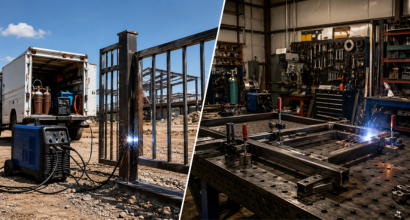
- Installation. This is the hands-on stage: running the line, making connections, and installing shutoff valves. For larger or more complex builds, this may overlap with pipe welding, fitting, and fabrication work to join sections properly.
- Pressure testing. Every new gas line is tested to confirm there are no leaks before it’s approved for use.
- Final inspection. A local inspector reviews the completed work and signs off before the gas supply is activated.
- Appliance connection and system check. Once approved, appliances are connected and the system is checked for proper operation.
Skipping or rushing any of these steps isn’t just a bad idea — in most places, it’s not legal, and it puts your property and the people in it at risk.
How to Speed Up Your Gas Line Installation
While safety steps can’t be skipped, there are a few things you can do to keep your project moving efficiently:
- Get quotes and book early. Scheduling in advance avoids delays caused by contractor availability.
- Have your property information ready. Existing gas meter location, appliance specs, and any relevant blueprints speed up the assessment stage.
- Clear the work area. Making sure the installation site is accessible before the crew arrives saves time on-site.
- Bundle related work. If you also need custom metal fabrication or other piping work done, coordinating it into one project can reduce overall downtime.
- Choose an experienced, certified installer. Experienced crews move efficiently because they’ve seen the same challenges before and know how to solve them without guesswork.
Why Professional, Certified Installation Matters
Gas line work is not a place to cut corners. Improperly installed gas lines can lead to leaks, fire hazards, and serious safety violations. Certified welders and installers understand the correct materials, techniques, and pressure standards required for a safe, code-compliant system — whether that’s a small residential hookup or a large industrial system.
Companies offering mobile welding services bring that same level of expertise directly to your site, which can also help keep projects on schedule since equipment and crews travel to you rather than requiring your project to fit around a shop’s schedule.
Final Thoughts
So, how long does a gas line installation take? For most residential projects, you’re looking at anywhere from a few hours to a few days once permits are approved. Commercial and industrial projects take longer due to their scale and complexity, but a clear plan, proper permitting, and an experienced installation team keep things moving as efficiently as possible.
If you’re planning a gas line installation and want an accurate timeline for your specific project, request a free quote and site evaluation — a proper assessment upfront is the best way to avoid surprises later.
Frequently Asked Questions
How long does it take to install a gas line for a stove?
For most homes, connecting a gas line to a stove takes a few hours to a full day, assuming the appliance is reasonably close to the existing gas supply.
Do I need a permit for gas line installation?
Yes. Gas line work almost always requires a permit and a final inspection before the gas can be turned on. This is a safety requirement, not an optional step.
Can gas line installation be done in one day?
Smaller residential jobs — like adding a single appliance — are often completed in a day. Larger jobs involving new lines, trenching, or multiple connections typically take longer.
What causes delays in gas line installation?
The most common causes are permit approval times, site accessibility issues, the condition of existing infrastructure, and the overall scope of the project.
Is it more expensive to rush a gas line installation?
Rushing safety-critical work isn’t recommended. However, planning ahead, booking early, and preparing your site can help your project move efficiently without cutting any corners.
Who should I hire for gas line installation?
Always choose a certified, experienced team with a proven track record in gas piping. Proper certification ensures the work meets local codes and safety standards from start to finish.